Nerva Technologies · Solid propulsion

Solid rocket motors

The core of every system, produced at the scale the moment demands.

Why solid propulsion

Solid propulsion is the backbone of modern defence systems: highly energetic, simple and reliable, ready to store for years and deploy in an instant.

Fewer moving parts, instant start-up and high thrust in a robust, low-cost package.

It is the technology that makes it possible to produce at the quantities European rearmament demands.

Solid rocket motor

What they are

01 What a solid rocket motor is

A solid rocket motor is a highly robust and reliable propulsion system. Unlike other motors, which need tanks, pumps, valves and piping, here both the fuel and the oxidiser are contained in a single solid mass — the propellant — integrated within the motor itself. This removes the need for external systems: all it takes is an igniter to light it so that it produces thrust almost instantly.

02 How it works

Once ignited, the propellant burns from the inside out and releases enormous quantities of gas at high pressure and temperature. That gas is expelled at several times the speed of sound through the nozzle at the rear of the motor, driving the rocket in the opposite direction. The geometry into which the propellant is moulded inside determines how much force it generates and for how long — that is, the motor's thrust curve.
Solid rocket motor

Applications

01 Air defence

Missile systems

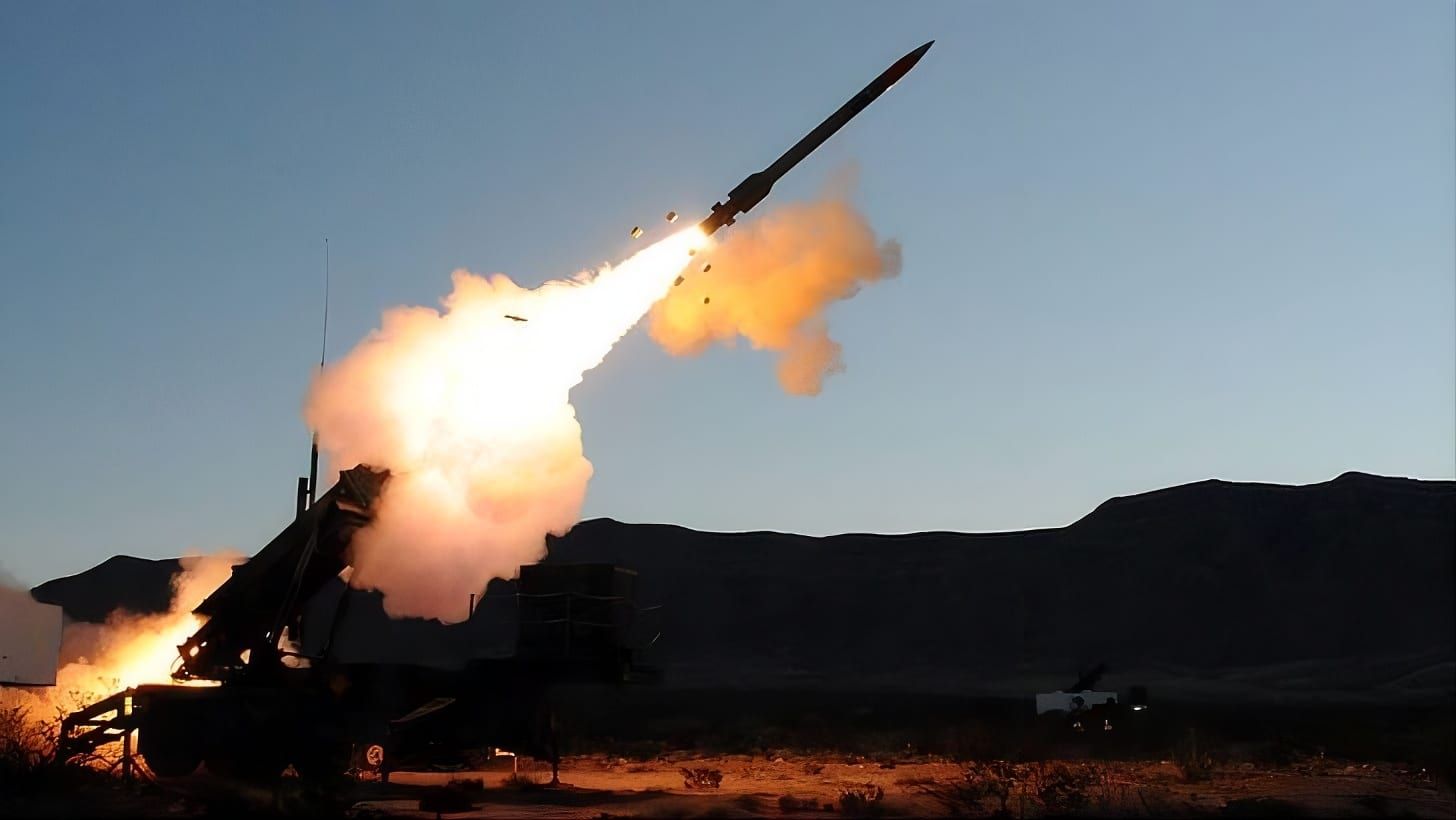
Solid propulsion is the foundation of modern missiles, from air-defence systems to long-range artillery. Its ability to be stored for years and launched instantly, with no preparation or reloading, makes it the reference technology for defence systems ready to operate at any moment.

Night launch of a surface-to-air missile from a mobile battery, the motor's plume lighting up the desert.

02 Hypersonic regime

Hypersonic vehicles

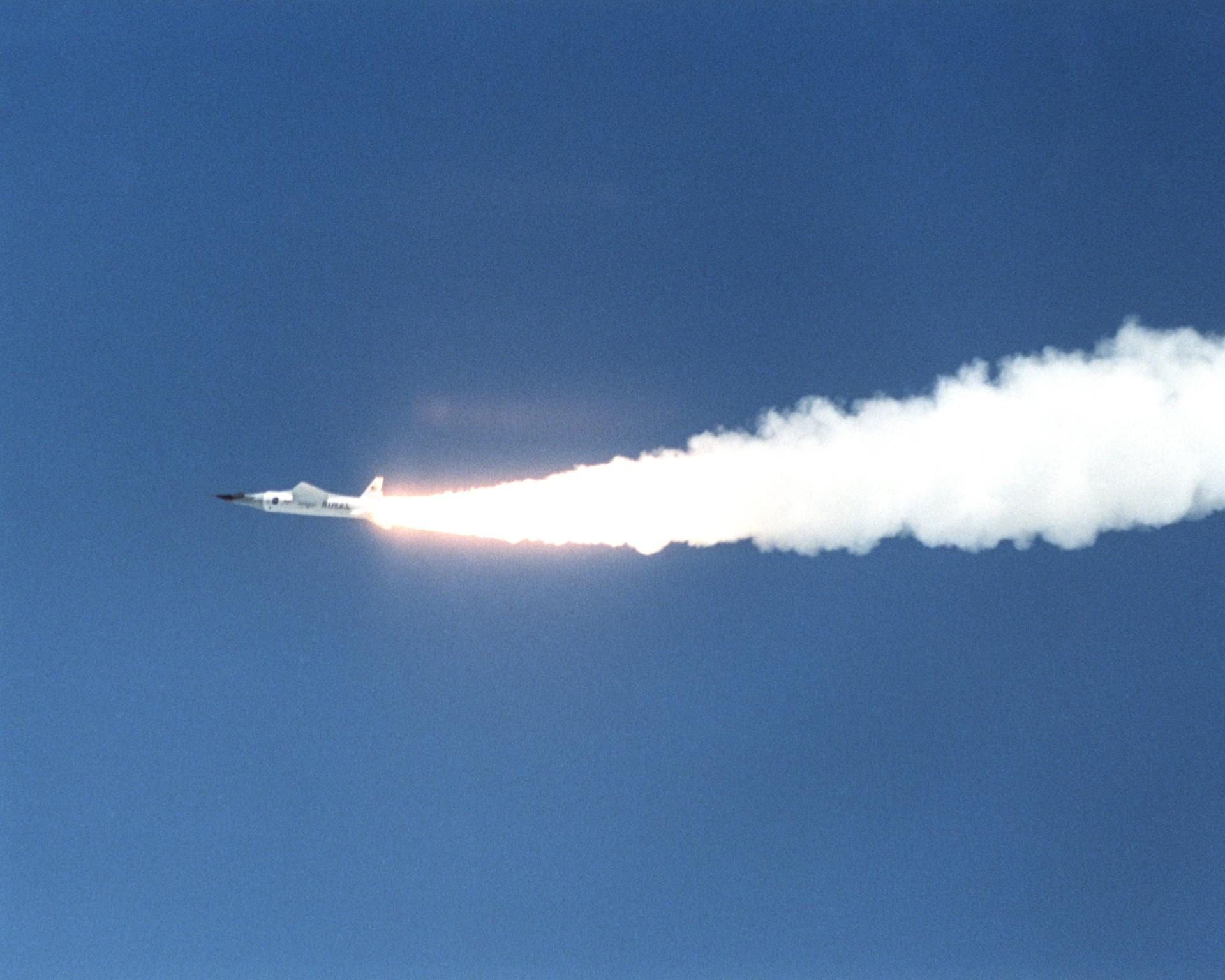
Reaching speeds above five times the speed of sound demands high, sustained thrust within fractions of a second. Solid motors accelerate these vehicles into the hypersonic regime with a reliability and simplicity that liquid systems can rarely match at this phase of flight.

Research rocket-plane accelerating in flight with its motor lit and a long vapour trail.

03 Access to space

Space exploration

Solid motors act as lift-off boosters on many launch vehicles, delivering the enormous initial thrust needed to overcome gravity. Their high energy density and robustness make them ideal for the most demanding stages of an orbital launch.

Lift-off of a heavy space rocket from its pad, with a huge column of fire and smoke.

04 Uncrewed systems

Drone deployment

In assisted-launch systems, a solid motor provides the instant impulse that puts a drone in the air from a fixed or mobile platform, with no runway needed. Immediate start-up and controlled force allow take-off in just a few metres.

Fixed-wing drone taking off from the ground on a booster rocket, trailing smoke at dusk.

05 Escape systems

Emergency ejection

In the ejection seats of military aircraft or in space capsules, every millisecond counts. Solid propulsion guarantees an instant start and an absolutely reliable response, propelling the pilot clear of the aircraft in critical conditions where there is no margin for failure.

Ejection-seat test: the occupant is thrown upward, propelled by its rocket from the cockpit of a fighter jet.

06 Atmospheric science

Sounding rockets

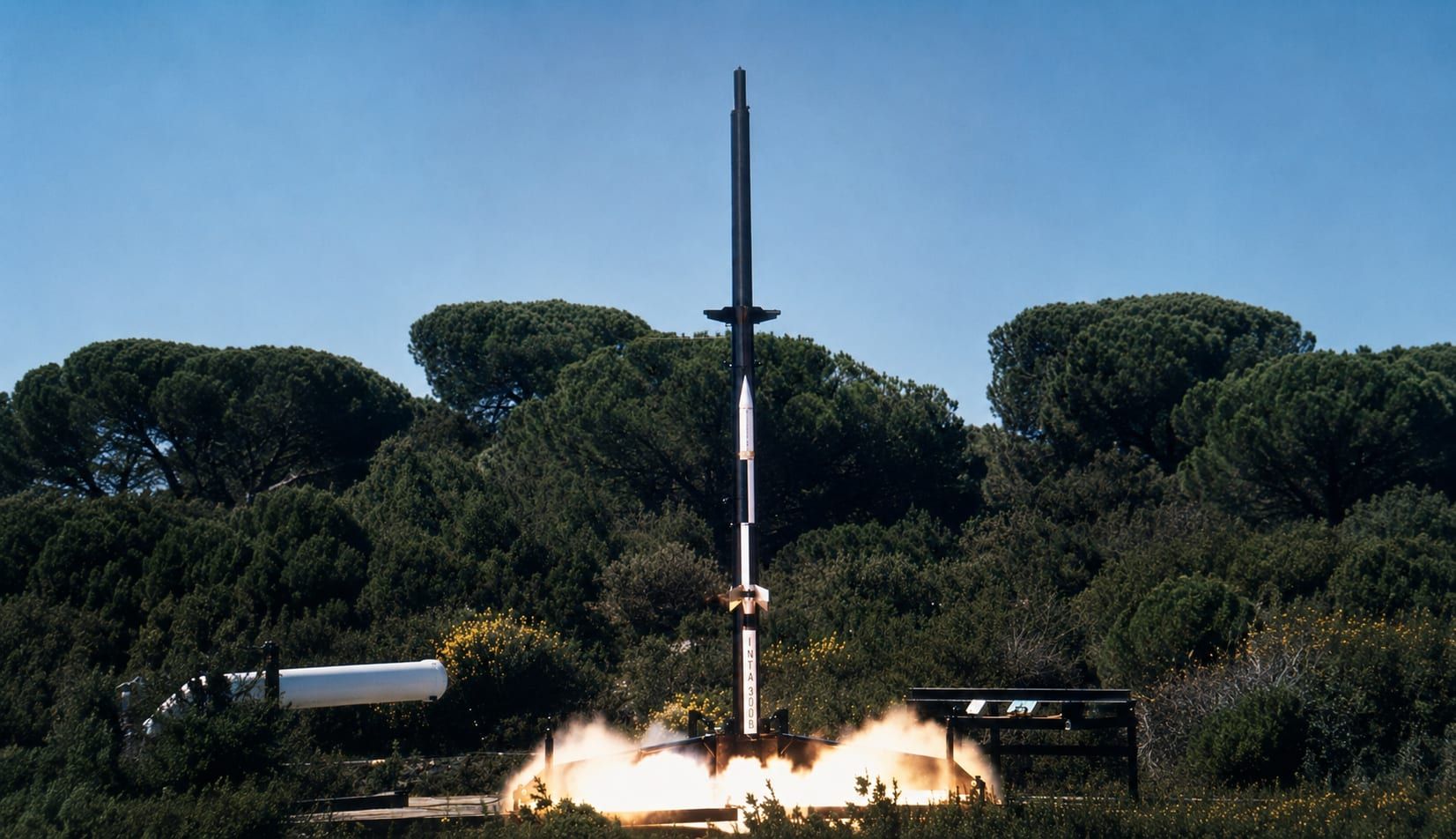
Sounding rockets carry scientific instrumentation into the upper atmosphere to study phenomena impossible to measure from the ground. The simplicity, low cost and reliability of solid propulsion make them the ideal choice for these suborbital missions.

Launch of a sounding rocket from its rail among pine trees, the motor igniting at its base.

Nerva Technologies // From motor to system

Where they're made and where they go